
Experience Horse Shows
Discover exciting competitions and equestrian events.
What is Dressage?
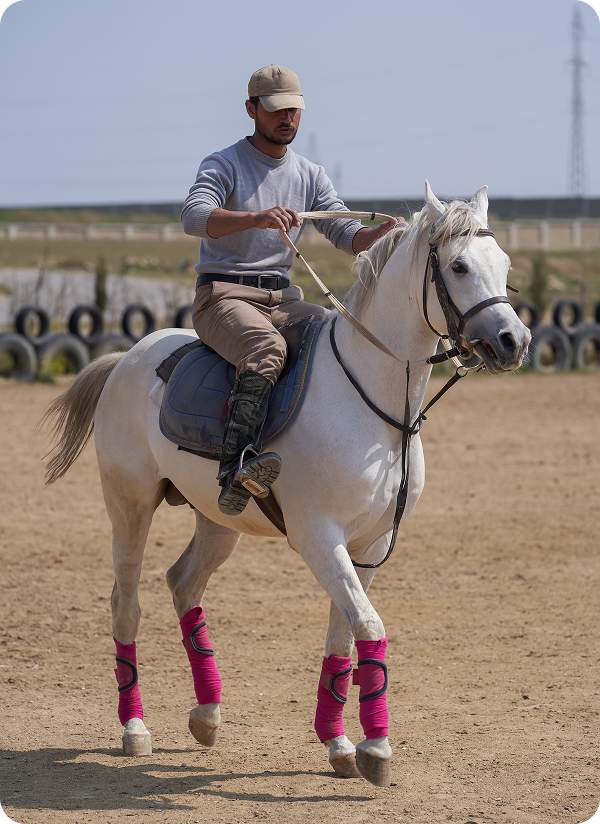
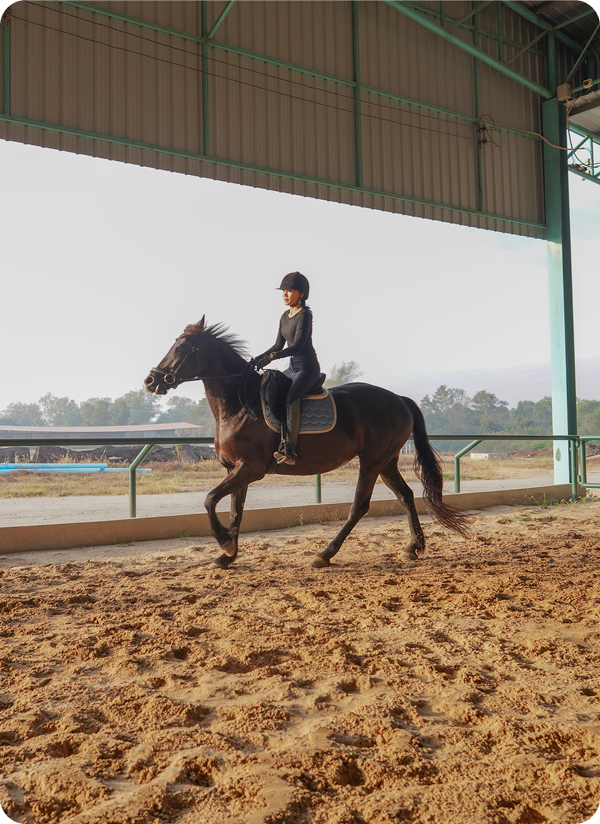
Dressage comes from the French word dresser, meaning “to train.” It is a distinct riding discipline focused on harmony, precision, and communication between horse and rider. Like hunter jumper, reining, endurance, or eventing, dressage has its own standards and structure. It is also an Olympic discipline with strong international participation.
In a dressage test, horse and rider perform a sequence of prescribed movements inside a standard arena (most commonly 20 x 60 meters). Each movement is scored from 0 to 10, with 10 being excellent and 5 considered sufficient. Scores are totaled and converted into a percentage. Tests increase in difficulty from Training Level through Fourth Level and into FEI levels, which are standardized worldwide.
The goal of dressage training is to develop a balanced, supple, attentive horse that responds to subtle aids from the rider. The foundation of all dressage work lies in three correct gaits:

A four-beat walk.
-
A two-beat trot with suspension.
-
A three-beat canter with suspension.

As the horse develops physically and mentally, confidence and responsiveness grow. Riders must also develop balance and refined use of weight, legs, and hands. Over time, a strong partnership built on trust and understanding forms between horse and rider.
When watching a dressage competition, it is helpful to review the test sheet, including the “Directive Ideas” and purpose statements, which explain what judges look for in each movement.
What is Combined Training?
Combined training, often called eventing or “horse trials,” brings together three disciplines:
-
Dressage
-
Cross-Country
-
Stadium Jumping
Similar to a triathlon for horse and rider, combined training tests versatility, athleticism, and partnership. Each phase emphasizes different skills: precision in dressage, endurance and bravery in cross-country, and accuracy and agility in stadium jumping.
Upper-level competitions may span three days, with one phase per day. Lower-level events may be completed over two days. Final standings are determined by combining dressage and stadium jumping scores with cross-country time and penalties.
Because these events are large and complex, they require significant volunteer support. Many volunteer roles do not require prior horse experience.
What is a Hunter Pace?
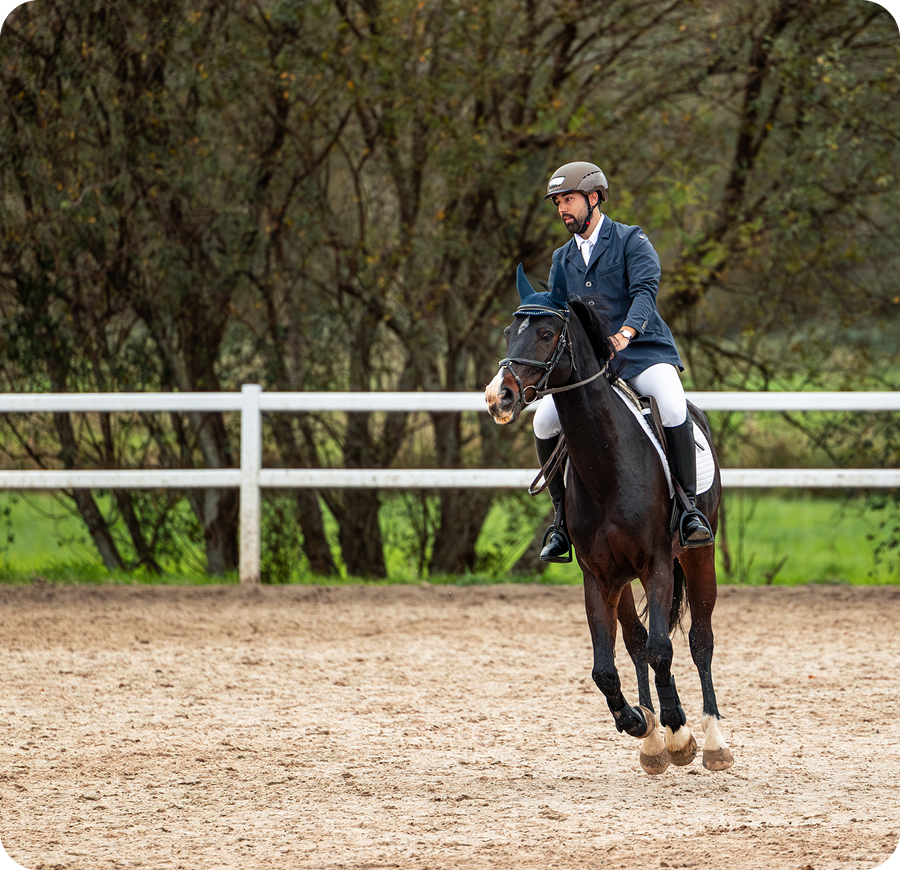
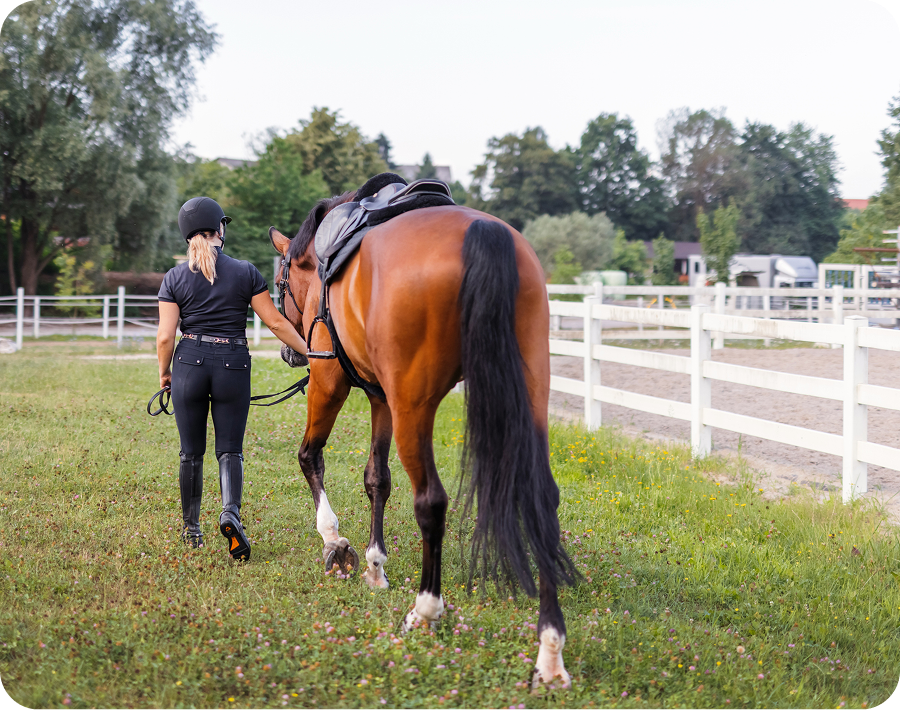
A hunter pace is a relaxed, team-based competition inspired by traditional foxhunting. Teams of two or three riders follow a marked course across open land and wooded trails, covering varied terrain at different gaits.
Instead of racing for speed alone, teams aim to finish as close as possible to a predetermined “ideal time.” The ideal time is set by test riders before the event. The team closest to that time wins.
Hunter paces typically offer divisions such as:
-
Field Hunter (faster pace).
-
Trail Rider (more relaxed pace).
Jumps may be available along the course but are optional. While competitive, hunter paces are widely enjoyed as social and scenic outings for riders.
What is Stadium Jumping?
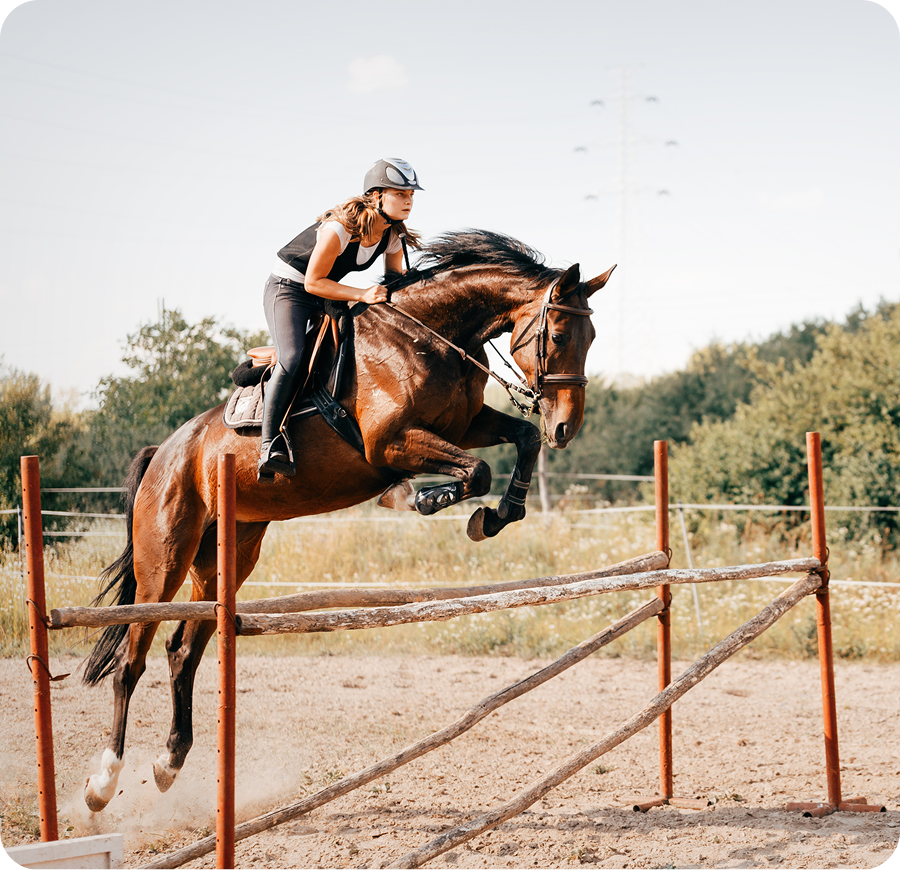
Stadium jumping, also known as show jumping, involves a horse and rider navigating a course of obstacles inside an arena. It is one of the most recognizable forms of horse show competition.
There are several categories within stadium jumping:
Equitation Classes
Judged on the rider’s position, control, and effectiveness.
Hunter Classes
Judged primarily on the horse’s smoothness, rhythm, and style over fences.
Under Saddle Classes
Performed on the flat without jumping.
Grand Prix and Mini-Prix Classes
High-level competitions are judged on time and faults. Riders aim to complete the course quickly with the fewest penalties.
Rated competitions are sanctioned by the United States Equestrian Federation (USEF), allowing riders to earn points toward national standings.
What is Carriage Driving?
Carriage driving is one of the oldest equestrian disciplines, dating back to when horses were first harnessed to wheeled vehicles. Modern competitions preserve traditional driving skills while offering structured, competitive events.
Drivers guide one or more horses through courses that may include:
-
Natural terrain obstacles.
-
Water crossings.
-
Narrow wooded paths.
-
Precision cone courses.
Events test accuracy, control, agility, and teamwork between driver and horse. Larger competitions may include multiple divisions for different carriage types and teams of up to four horses.
Carriage driving blends history, craftsmanship, and athletic competition into a disciplined and demanding sport.
These equestrian disciplines each showcase unique skills and traditions, offering opportunities for riders, competitors, volunteers, and spectators to experience the depth and diversity of the equestrian world.